
What Is a Private Home Care Nurse and How Can They Help Your Parent?
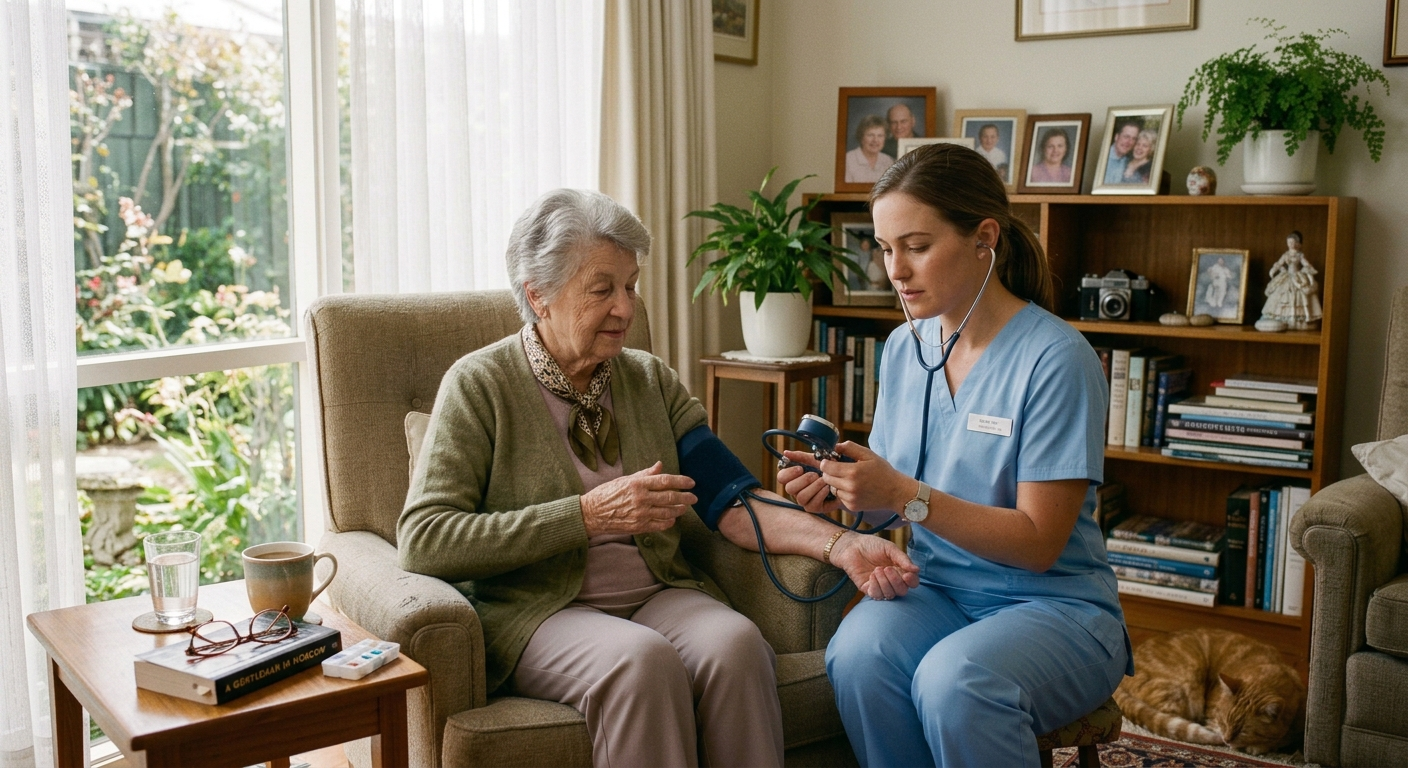
If your mum or dad is getting older and you have started looking into care options, you have probably come across the term "private home care nurse." It sounds straightforward enough, but most families are not entirely sure what it means in practice. What does a private nurse actually do? How is it different from having a support worker? And is it the right fit for your parent?
A private home care nurse is a qualified, registered nurse who provides clinical care in your parent's own home. Rather than your parent going to a hospital or moving into a facility, the nurse comes to them. This type of in-home nursing care in Melbourne is becoming more common as families look for ways to keep their loved ones comfortable, safe, and independent at home for as long as possible.
This guide breaks down what private home care nurses do, what qualifications they need, and how Melbourne families can arrange the right nursing support for an ageing parent.
What Does a Private Home Care Nurse Actually Do?
The short answer is that a private home care nurse handles the medical and clinical tasks that a regular carer or support worker is not qualified to do. But it helps to see what that looks like day to day.
Clinical Nursing Tasks
These are the tasks that require formal nursing training. A private home care nurse can:
Manage and administer medications, including injections and IV therapy
Provide wound care and change dressings
Monitor vital signs like blood pressure, blood sugar, and oxygen levels
Manage pain and symptoms for chronic conditions
Carry out continence care and catheter management
Provide post-surgical care after a hospital discharge
Assess mobility and falls risk in the home environment
These are not tasks you can hand to a family member or an untrained carer. They require someone who has been through years of clinical training and holds current registration.
Personal and Daily Support
Some private nurses also help with daily personal tasks, especially during longer visits. This can include help with bathing, dressing, meal preparation, and moving around the home safely. However, if your parent mostly needs help with these non-clinical tasks, a personal care service may be a better starting point. A good care provider will help you work out which type of support fits your parent's situation.
Qualifications to Look For in a Private Nurse
Not everyone who works in home care is a nurse. This is an important distinction that many families miss at first.
In Australia, a private home care nurse must be a Registered Nurse (RN) or an Enrolled Nurse (EN). Both are regulated by the Australian Health Practitioner Regulation Agency, known as AHPRA. You can check whether a nurse holds current registration through the AHPRA Register of Practitioners, which is free and available to the public.
Registered Nurses (RNs) have completed a three-year bachelor's degree in nursing. They can assess patients, create care plans, administer medications, and work independently without supervision.
Enrolled Nurses (ENs) have completed a diploma of nursing, typically 18 months of training. They work under the direction of a registered nurse and can carry out a wide range of clinical tasks.
Both must maintain their registration and meet ongoing professional development requirements. When you are arranging private nursing care for your parent, always ask to see their AHPRA registration number. Any provider worth their salt will be happy to share this.
How Private Nursing Care Differs From Other Home Care
This is where families often get confused, and understandably so. There are several types of home care, and the names can blend together.
Private home care nurses provide clinical, medical care. Think wound dressings, medication management, health monitoring, and post-hospital recovery support. They hold nursing qualifications and AHPRA registration.
Personal care workers help with daily living activities like showering, getting dressed, eating, and moving around the house. They are trained, but they are not nurses and cannot perform clinical tasks.
Companion carers provide social support. They might take your parent to appointments, sit and have a cup of tea, or help with light household tasks. Companion care is about reducing isolation and keeping your parent engaged, rather than managing health conditions.
The right choice depends on what your parent needs most. Many families end up combining two types of care. For example, a private nurse might visit twice a week for medication management and wound care, while a personal carer comes in on other days to help with showering and meals.
When Should You Consider a Private Home Care Nurse?
There are some common situations where families in Melbourne start looking into private nursing care. If any of these sound familiar, it might be time to have the conversation.
After a hospital stay. Your parent has been discharged but still needs wound care, medication monitoring, or recovery support that you are not trained to provide.
Managing a chronic condition. Conditions like diabetes, heart disease, COPD, or Parkinson's require ongoing clinical monitoring. A private nurse can keep on top of these at home.
Medication is getting complicated. When your parent is on multiple medications with different schedules, dosages, and interactions, having a nurse manage this reduces the risk of errors.
You have noticed a decline. If you have seen signs your elderly parent needs care at home, a nursing assessment can help determine what level of support they need.
You need overnight or around the clock care. For parents with advanced care needs, 24 hour home care with nursing oversight can be arranged to keep them safe and comfortable at home.
The key thing to remember is that you do not need to wait until things get serious. Starting with a few hours a week can prevent small health issues from becoming big ones.
What to Expect During the First Visit
If you have never arranged private nursing care before, it is completely normal to feel uncertain about how it all works. Here is what typically happens.
The first visit is usually an assessment. The nurse will come to your parent's home and spend time understanding their health conditions, medications, mobility, and daily routine. They will also look at the home environment to identify anything that might pose a risk, like loose rugs, poor lighting, or hard-to-reach bathrooms.
After the assessment, the nurse works with you and your parent to put together a care plan. This is not a rigid document that gets filed away. It is a living plan that changes as your parent's needs change. A good care plan covers what tasks the nurse will carry out, how often they will visit, and what to do in an emergency.
Family involvement matters here. The nurse should take the time to explain things clearly, answer your questions, and make sure your parent feels comfortable. If your parent is hesitant about having a stranger in their home, that is normal. Most people warm up within a visit or two, especially when they realise the nurse is there to help them stay independent, not take over.
How to Choose the Right Private Nurse in Melbourne
Finding the right nurse for your parent is not just about qualifications. It is about finding someone your parent trusts and feels comfortable with. Here are some practical things to consider.
Check their registration. As mentioned above, always verify that the nurse holds current AHPRA registration. Australia has over 420,000 registered nurses and midwives as part of the nation's largest clinical workforce, according to the Australian Government Department of Health. Your parent deserves one who is properly qualified.
Ask about experience with your parent's condition. A nurse who regularly works with dementia patients will approach care differently from one who specialises in post-surgical recovery. Make sure their experience matches your parent's needs.
Consider personality and communication style. Your parent is going to spend real time with this person. Someone who is patient, warm, and a good listener will make a much bigger difference than someone who is technically skilled but difficult to connect with.
Ask about continuity. Will your parent see the same nurse each visit, or will it be a rotation of different people? Consistency builds trust, especially for elderly people who can feel unsettled by change.
Look for a Melbourne-based provider. A local provider understands the area, can respond quickly, and will be familiar with local hospitals and GPs if coordination is needed. Families across Melbourne's northern suburbs, Reservoir, Dandenong, Burwood, and surrounding areas can access private nursing care without long wait times or complicated applications.
Frequently Asked Questions
How much does a private home care nurse cost in Melbourne?
Private nursing care rates vary depending on the type of nurse (RN or EN), the time of day, and the length of each visit. Hourly rates for a registered nurse typically range from $60 to $120 per hour for standard weekday visits, with higher rates on weekends and public holidays. The best approach is to contact a provider directly for a quote based on your parent's specific care needs.
Can a private nurse help with medication management?
Yes. Medication management is one of the most common reasons families arrange private nursing care. A registered nurse can administer medications, set up medication schedules, monitor for side effects, and make sure your parent is taking the right dose at the right time. This is especially helpful when your parent is on multiple prescriptions.
What is the difference between a registered nurse and an enrolled nurse?
A registered nurse (RN) has completed a bachelor's degree in nursing and can work independently. They can assess patients, develop care plans, and carry out complex clinical procedures. An enrolled nurse (EN) holds a diploma of nursing and works under the guidance of an RN. Both are qualified, registered professionals, but the scope of what they can do differs. For most home care situations, either can provide excellent support.
Do I need a doctor's referral for private nursing care at home?
No. You do not need a GP referral to arrange private nursing care at home. You can contact a private care provider directly and arrange services based on your parent's needs. However, it can be helpful to let your parent's GP know that a nurse is visiting, so that everyone involved in their care is on the same page.
How many hours a week can a private nurse visit?
There is no set limit. Private nursing care is flexible and designed to fit around your parent's needs and your family's routine. Some families start with just a few hours a week for medication management or wound care. Others arrange daily visits or even full-time nursing support. The schedule can be adjusted at any time as your parent's needs change.
Finding the Right Care for Your Parent
Arranging nursing care for a parent is one of those things that nobody really prepares you for. It can feel overwhelming, especially when you are trying to balance your own life with your parent's growing needs. But knowing what a private home care nurse does, and what to look for when choosing one, puts you in a much stronger position to make the right call.
The most important thing is that your parent gets qualified clinical care in the place where they feel most at ease: their own home. A good private nurse does not just manage medications and monitor health. They give your parent dignity, comfort, and a sense of routine, and they give you peace of mind.
If you are ready to explore what private nursing care could look like for your family, get in touch with Foundara Care. The team can talk through your parent's situation and help you work out the right level of support, with no pressure and no complicated paperwork.
