
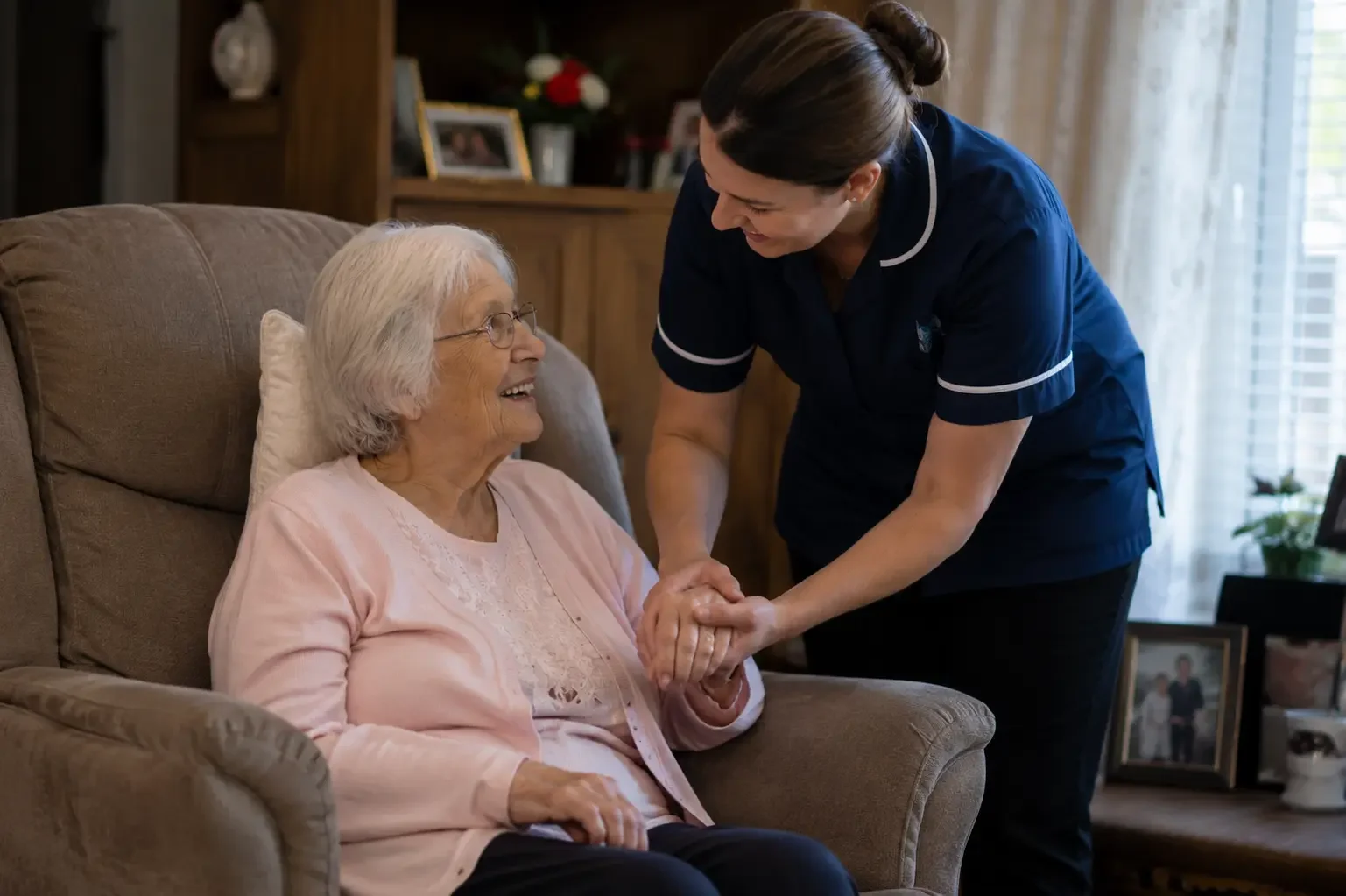
24 Hour In Home Care in Melbourne
Something has shifted. Maybe your mum woke at 3am last week not knowing where she was. Or your dad took another fall on Tuesday and lay there for an hour before anyone found him. Whatever it is that brought you here, the question running through your head is the same one we hear every day: can somebody be with my parent around the clock, at home, without uprooting their whole life? That is what we do.
Foundara Care provides private 24/7 in home care for elderly parents and seniors across Melbourne, covering Reservoir, Dandenong, Burwood, Clyde North, and Officer. No government waitlist. No months of paperwork. Care can start within days, and your parent keeps their independence and dignity at home.
What Is 24 Hour In Home Care?
It means a qualified carer is in your parent's home at all times. Day. Night. Weekends. Public holidays. They are never on their own when they need someone.
Foundara runs this across Melbourne in two ways. We look after families in Reservoir, Dandenong, Burwood, Clyde North, Officer, and the areas around them.
Rotating Shift Care
Three caregivers split the day into eight-hour blocks. One covers 7am to 3pm, the next takes 3pm to 11pm, and a third handles 11pm through to 7am.
Nobody does a double. Every carer shows up rested. This setup makes sense when your parent needs someone properly awake overnight, whether that's because of advanced dementia, Parkinson's disease, palliative care needs, or a serious falls risk.
Live-In Care
A single carer moves in for the day and sleeps in the home at night. They're available if your parent gets up or needs anything, but they're not on their feet every hour.
Most families go with this when Mum or Dad still sleeps through most nights but really shouldn't be alone in the house. It's generally less expensive than full shift care because fewer active hours go on the clock. When we visit your parent at home for the first time, our coordinator walks through both options with you and works out which one actually fits.

When Does a Parent Need 24 Hour Care?
It rarely happens all at once. Families with elderly parents usually get here after a gradual slide. You might already have a carer coming in for a few hours of personal care each morning, but the stretches in between are starting to feel dangerous.
Nights Have Become a Problem
Up at 2am trying to unlock the front door. Wandering the hallway in the dark. Not knowing what room they're in. This is common with dementia, and it's one of the first things families mention when they ring us.
A Hospital Stay Changed Everything
Stroke, hip fracture, major surgery. Things were manageable before and now they're not. Your parent might need wound care, help with medications, and someone there when they try to stand. In-home nursing and personal care often work together in these cases.
Daily Tasks Are Too Hard Now
Getting in and out of the shower. Getting dressed. Making it to the toilet on time. When an elderly parent needs help with all of these, morning and night, a two-hour visit in the morning does not cover it.
Falls Keep Happening
Two in a month. Then three. Especially at night, when there's nobody there to help them off the floor. For older people living alone, a night-time fall can mean lying there for hours before anyone realises.
What 24 Hour Home Care Covers
Every care plan is built from scratch. We don't do packages. Here is what most families end up including.
Personal Care
Showering, dressing, grooming, toileting, getting in and out of bed. Done at your parent's pace, with their dignity front and centre.
Learn moreMedication Support
The right tablets at the right time. When someone's on five or six different scripts, having a carer there all day stops doses getting missed or doubled up.
Meal Preparation
Proper meals cooked fresh. Low sodium if there's a heart issue. Soft food if swallowing's a problem. Or just the lamb chops your dad's always liked.
Domestic Support
Washing, cleaning, keeping the floors clear. Clutter and wet tiles cause falls. A tidy house is a safer one.
Companionship
Not just a warm body in the room. Someone who does the crossword with your mum, watches the cricket with your dad. Real companion care changes the shape of someone's day.
Overnight Supervision
Can be active, where the caregiver stays awake for regular checks, or passive, where they sleep nearby and come if called. Short-term respite care is available too.
Transport
GP appointments, the physio, a trip to Coles, or coffee with a mate. Safe transport keeps your parent connected to the world outside the front door.
Wellness Monitoring
Keeping an eye on how your parent is going day to day. Changes in appetite, mood, mobility, or sleep. Spotted early, small shifts don't become big problems.
24 Hour Dementia Care at Home in Melbourne
We get more calls about dementia than anything else. Families across Melbourne, from Reservoir through to Dandenong and Clyde North, reach out when things have crossed a line that part-time daytime care can't handle.
Someone with mid-to-late stage dementia might try the front door at two in the morning. Or start getting upset every afternoon as the light changes, which has a clinical name: sundowning. They might stop eating, or look at their daughter and not know who she is. Dementia Australia describes afternoon restlessness as common, and stresses how much a calm, familiar presence helps.
What we do is put a small group of carers around your parent. Four people, maybe five or six. The same ones, day after day. That matters more than people realise. A stranger at the door can set off a panic. A face your parent trusts can talk them through it.
Watching for wandering, especially once it gets dark
Staying steady and calm when agitation or confusion hits
Keeping meals, baths, and bedtime at the same time every day
Staying on top of medication and flagging side effects
Ringing you when something changes, so you're never guessing
Still weighing it up? Our guide on when to get home care for a parent walks through the decision step by step.

24 Hour Care at Home vs a Residential Facility
Both give your parent around-the-clock supervision. What the day actually looks like is completely different.
| 24 Hour Home Care | Residential Facility |
|---|---|
|
Your parent stays in their own place
One-on-one attention from a small, familiar team
Meals, routines, and pace are all theirs
The dog stays. The garden stays. The neighbours stay.
No waitlist when you go private
Most people sleep better and feel less confused
|
Move to a shared building with communal living
Staff split across many residents
Set mealtimes and a facility timetable
New surroundings can increase confusion
Nursing staff on site 24 hours
Can be the right choice when needs are highly clinical
|
What Affects the Cost of 24 Hour Care?
Everyone wants to know the number. Fair enough. The honest answer is it depends on your parent's situation, and rather than throwing out a figure that might not apply, Foundara gives you a proper quote after we've actually been to the house and seen what's needed.
Here's what moves the price:
The care model : shift-based care means paying three carers across the day, so it costs more than live-in where one person stays with a sleep break
Time of day : overnight hours are generally charged differently, particularly when the carer is asleep unless called
How complex things are : if your parent needs nursing support or complex medication on top of personal care, that affects the rate
Why going private works in your favour
Foundara is a private pay provider. That means no forms to the government, no means test, no sitting on a waitlist for six months while your parent's needs keep growing. When a family rings us, we can usually have caregivers in the home within days. You pick who looks after your parent, you decide the schedule, and you stay in control of the whole arrangement.

Frequently Asked Questions
-
A professional carer stays in your parent's home around the clock. The care runs either as rotating shifts, usually three people covering eight hours each, or as a live-in setup where one carer stays the full day and sleeps overnight. Either way, your parent is never on their own.
-
With shift-based care, a rotating team works in eight-hour blocks and every person is fully awake during their shift. Live-in care means one carer stays in the home, sleeps there at night, and is on hand if something comes up. Shifts give you more active coverage. Live-in suits people who mostly sleep through but shouldn't be alone.
-
There's no single moment. The signs most families notice are wandering at night, falls happening more often, not recognising people they know, needing help to eat or use the bathroom, and getting agitated or distressed in the late afternoon. If your parent with dementia isn't safe alone at any point in the day or night, 24 hour care is usually the right step.
-
It can. Foundara is privately funded so there's no government queue to join. We regularly get carers in place within a few days, which is how it usually works when someone's just come out of hospital or taken a sudden turn. And there are no lock-in contracts, so the whole arrangement can flex around what's happening.
-
Yes, absolutely. We pick carers based on your parent's needs, who they are as a person, what languages they speak, and their cultural background. If someone isn't clicking, we change them. Your parent's comfort isn't something we negotiate on.
Let Us Help You
Working out 24 hour care for a parent is a big thing to get your head around. It's fine not to have it all figured out yet. Ring us or send a message and we'll just talk it through. What's going on, what your parent needs, what might work. No pitch. No pressure. Just a straight conversation.